
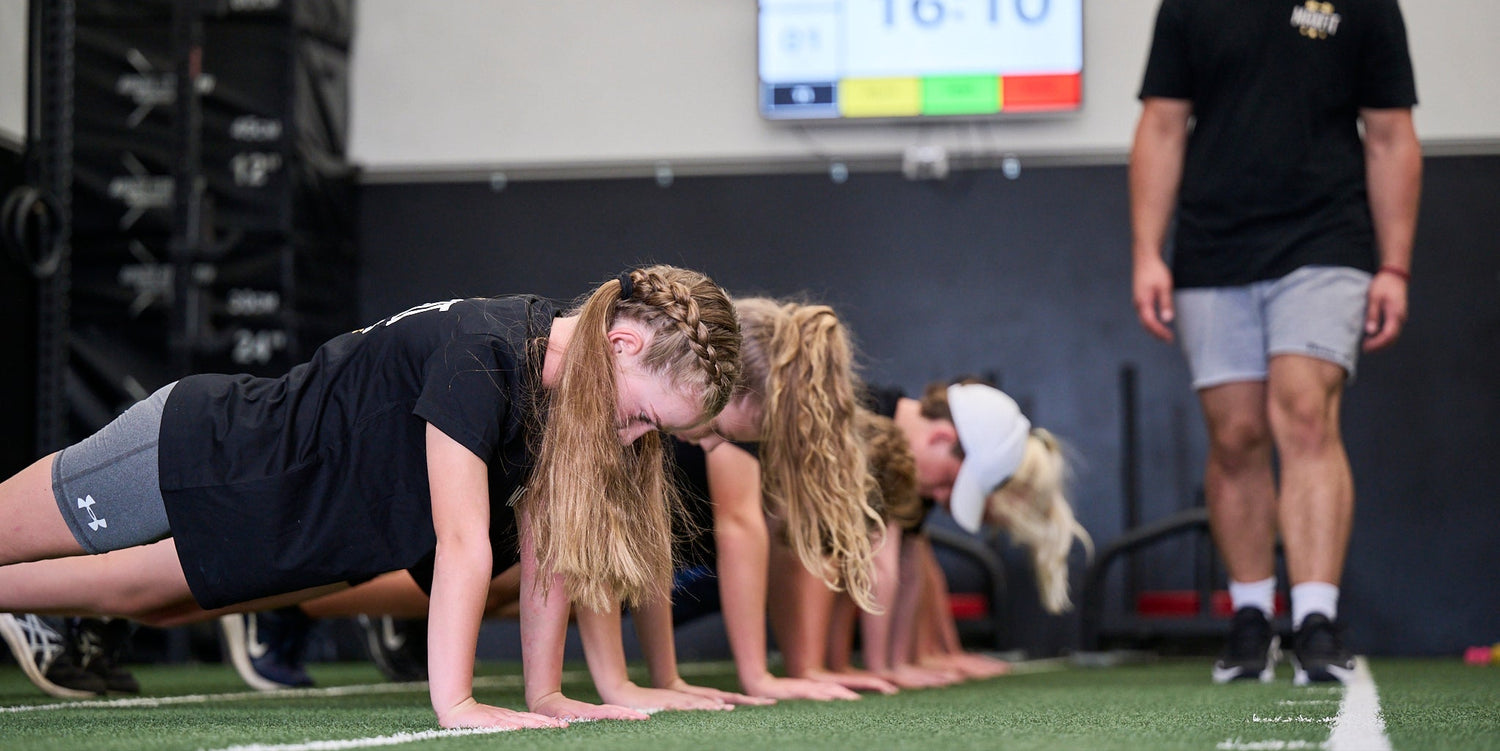
JUNIORS PROGRAM
Improve strength, speed, agility, fitness, and coordination in a fun, safe, and supportive environment. Our experienced coaches, who have worked with Sydney Swifts, Rugby Australia, NSW Rugby, and NPL Soccer, are passionate about helping kids develop the skills, technique, and confidence to perform at their best while preventing injury.
Our juniors program runs Monday–Thursday at 4:00, 4:20, and 4:40 pm, with free trials available. We focus on getting kids active, improving their sporting performance, and making training enjoyable every step of the way.
Client Testimonials
-
“I wanted to share with you that Gabi has done very well in the school Athletics carnival… she managed to get so many PBs. I am stoked … she absolutely smashed it, coming first in almost all events. Gabi is so happy with the results and she is so thankful to the MaxFit team, as am I.” -Ana
MaxFit Juniors and MaxFit Sports Performance: Statement of Best Practice
At MaxFit our priority is the safe and effective development of young athletes. Our goal is to effectively incorporate weight training into our Juniors fitness routine, promoting overall health and physical development.
Our approach is guided by these key principles:
Technical Proficiency and Supervision: We emphasise teaching proper lifting techniques under close supervision to prevent injuries and improve results.
Foundational Movement: We start with foundational exercises to establish movement proficiency and overall stability. We prioritise correct form over heavy lifting to improve results and ensure safe and efficient movement patterns.
Progressive Overload: We gradually increase intensity and volume to stimulate adaptation and athletic development.
Comprehensive Training: Our program includes a variety of exercises targeting different muscle groups for overall fitness and sports performance.
Functional Integration: We incorporate strength training, plyometrics, calisthenics, cardio, mobility, and functional movements for well-rounded development.
By adhering to these principles, we aim to foster not only physical strength but also discipline and lifelong fitness habits in our young athletes.
Weight training offers numerous benefits for children, and adolescents;
Improved strength: Weight training helps children develop muscle strength, which enhances their performance in sports and everyday activities.
Better bone health: Weight-bearing exercises promote bone density, reducing the risk of injury now and osteoporosis later in life.
Enhanced motor skills: Weight training improves coordination, balance, and proprioception, which are essential for various physical activities.
Injury prevention: Strong muscles and bones can help prevent injuries by providing better support and stability to the muscles and joints.
Healthy weight management: Weight based training improves metabolic function, healthy body weight and reduces the risk of obesity.
Boosted confidence: Achieving strength and fitness goals through weight training can increase self-esteem and confidence in children and adolescents (British Journal of Sports Medicine 2014 Vol 48 Issue 20)
Long-term health benefits: Establishing healthy exercise habits early in life can lead to a lifelong commitment to physical activity and overall wellness.
By incorporating weight training into a child's routine in a safe and supervised manner, parents can help them reap these benefits and lay the foundation for a healthy and active lifestyle.
Sources
Sports Sciences for Health
https://www.researchgate.net/publication/355183045_Benefits_risks_and_possibilities_of_strength_training_in_school_Physical_Education_a_brief_review
American Academy of Paediatrics: properly designed and supervised resistance training programs are safe, effective, and offer health benefits for children and adolescents.
www.healthychildren.org
The National Strength and Conditioning Association: supports the premise that the benefits associated with adult resistance training programs are attainable by children and adolescents who follow age-specific resistance training guidelines.
https://www.nsca.com/education/articles/infographics/youth-resistance-training/
British Journal of Sports Medicine: resistance training improves muscular fitness, motor skills, and body composition in children and adolescents
Lloyd, R. S., et al. (2013). Youth resistance training: Position statement paper and literature review. British Journal of Sports Medicine, 47(1), 50-63
https://www.researchgate.net/publication/256929167_Position_statement_on_youth_resistance_training_The_2014_International_Consensus